For those looking to travel to Kyoto Japan but do not have very much time, then you have landed in the right place. Recently, my friends and I made the spontaneous decision to explore Kyoto during our Japan trip. And although we were somewhat short on time, we really maximized our exploration as much as possible. So if you only have a day or two in Kyoto, follow this itinerary and get the most out of your trip!
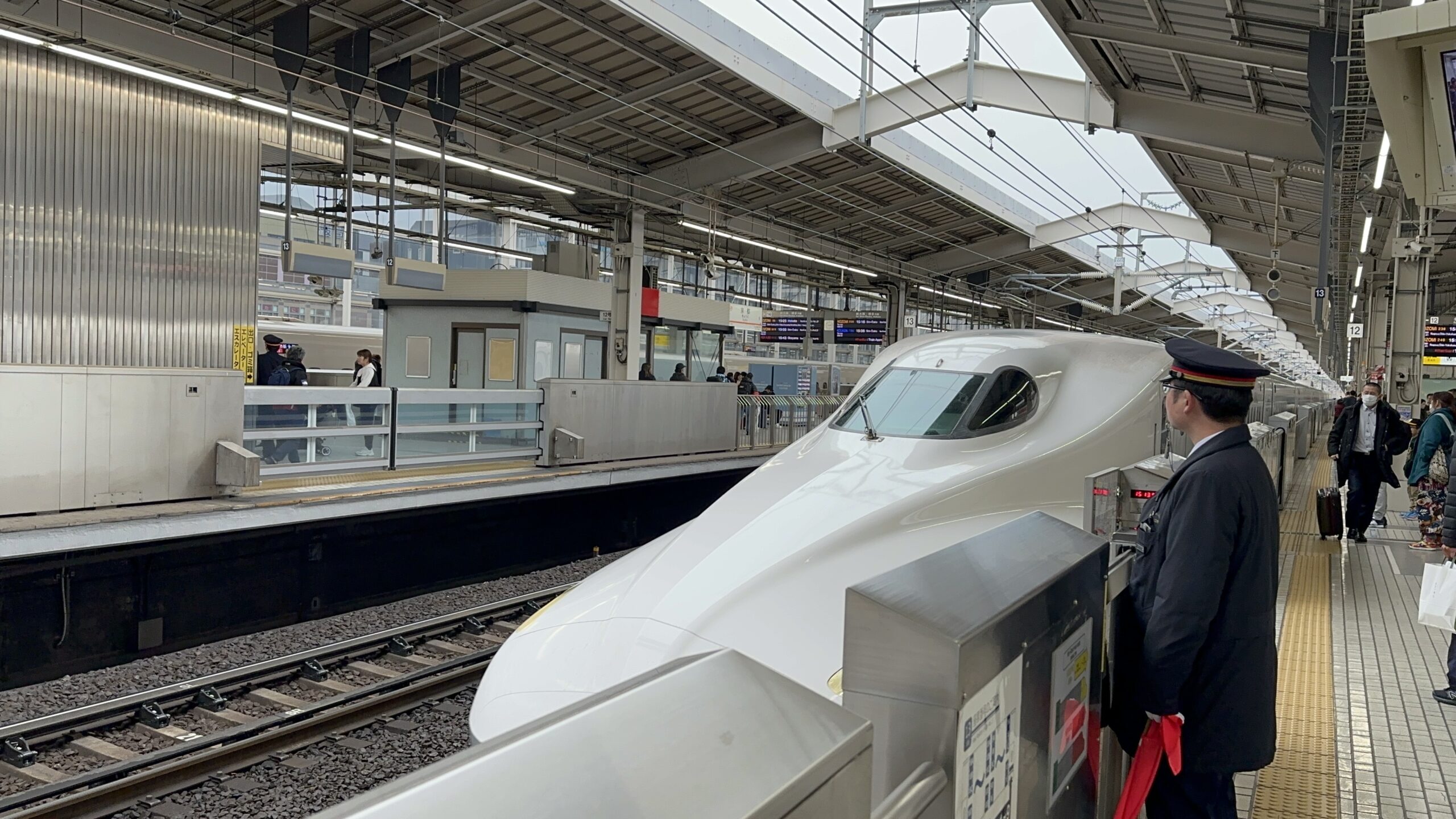
Our decision to head to Kyoto was a spur of the moment decision and totaled to about 36 hours of our entire 2-week Japan trip. We took the Shinkansen bullet train from Tokyo at 6:15am to arrive in Kyoto 2 hours later. We decided to go with the first class cabin, because it would help keep our bodies fresh for the rest of the day. The upgrade from second-class was only about $30 USD per person, so it was definitely worth it.
The Shinkansen bullet train connects Tokyo to Kyoto and many other cities.
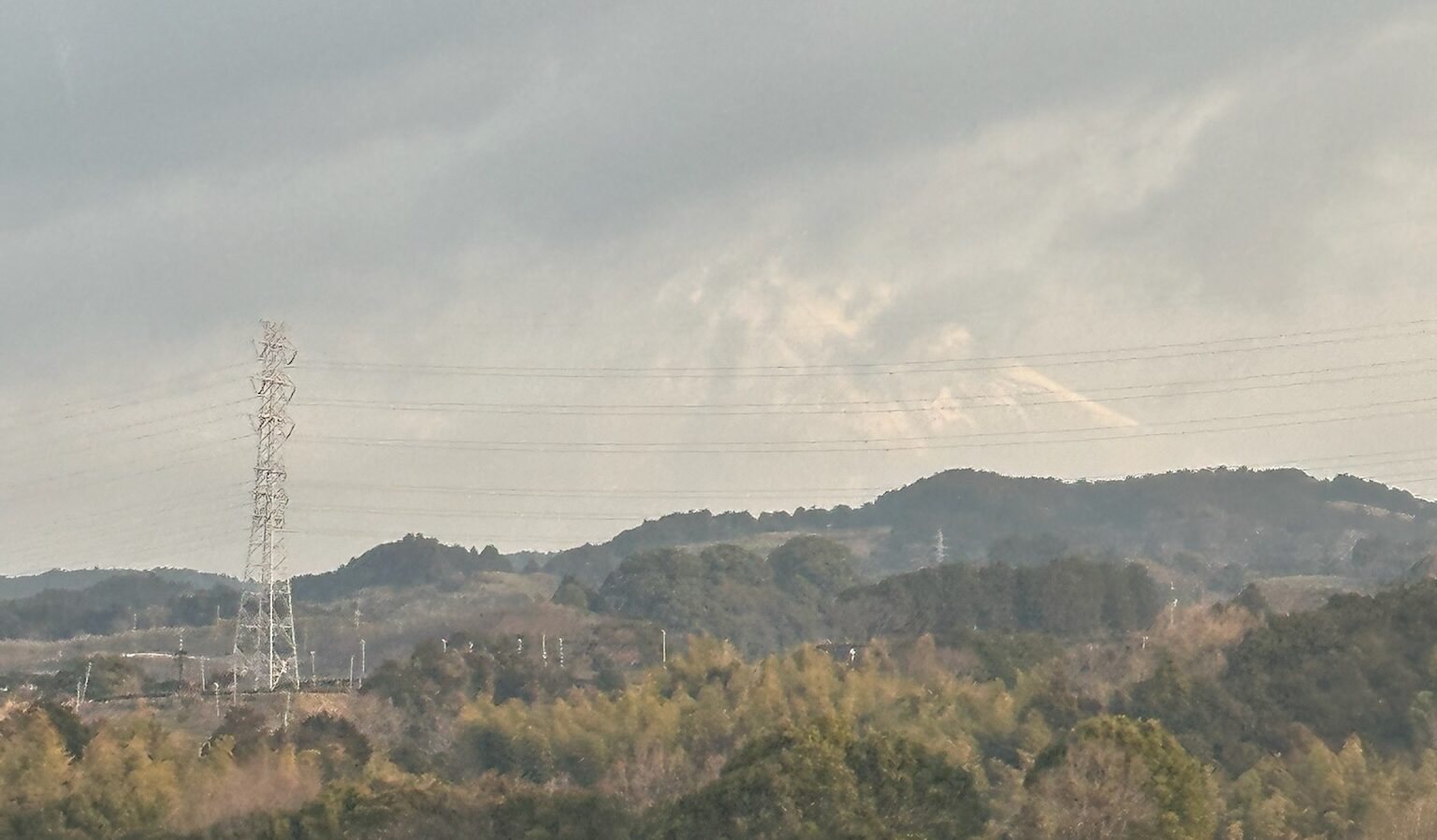
Mt. Fuji visible from the train... on a clearer day next time.
Kyoto Morning
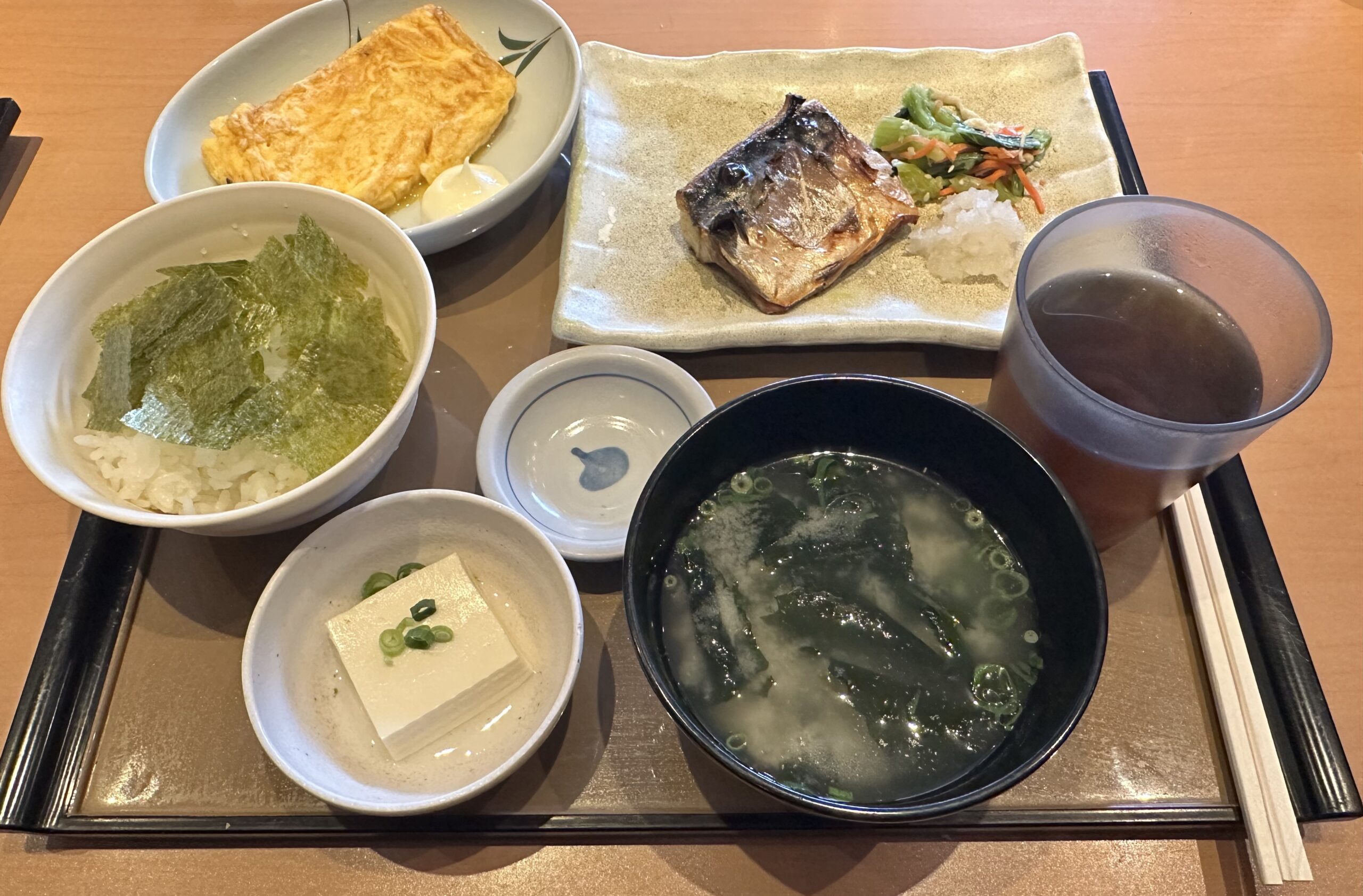
We started the day with a traditional Japanese breakfast, called “wachoushoku” (朝食) at a ryokan near to the train station. This consists of rice, miso soup. cold tofu, and a grilled mackerel. Each of us had also added a tamago omelette as well, completing a healthy yet hearty meal.
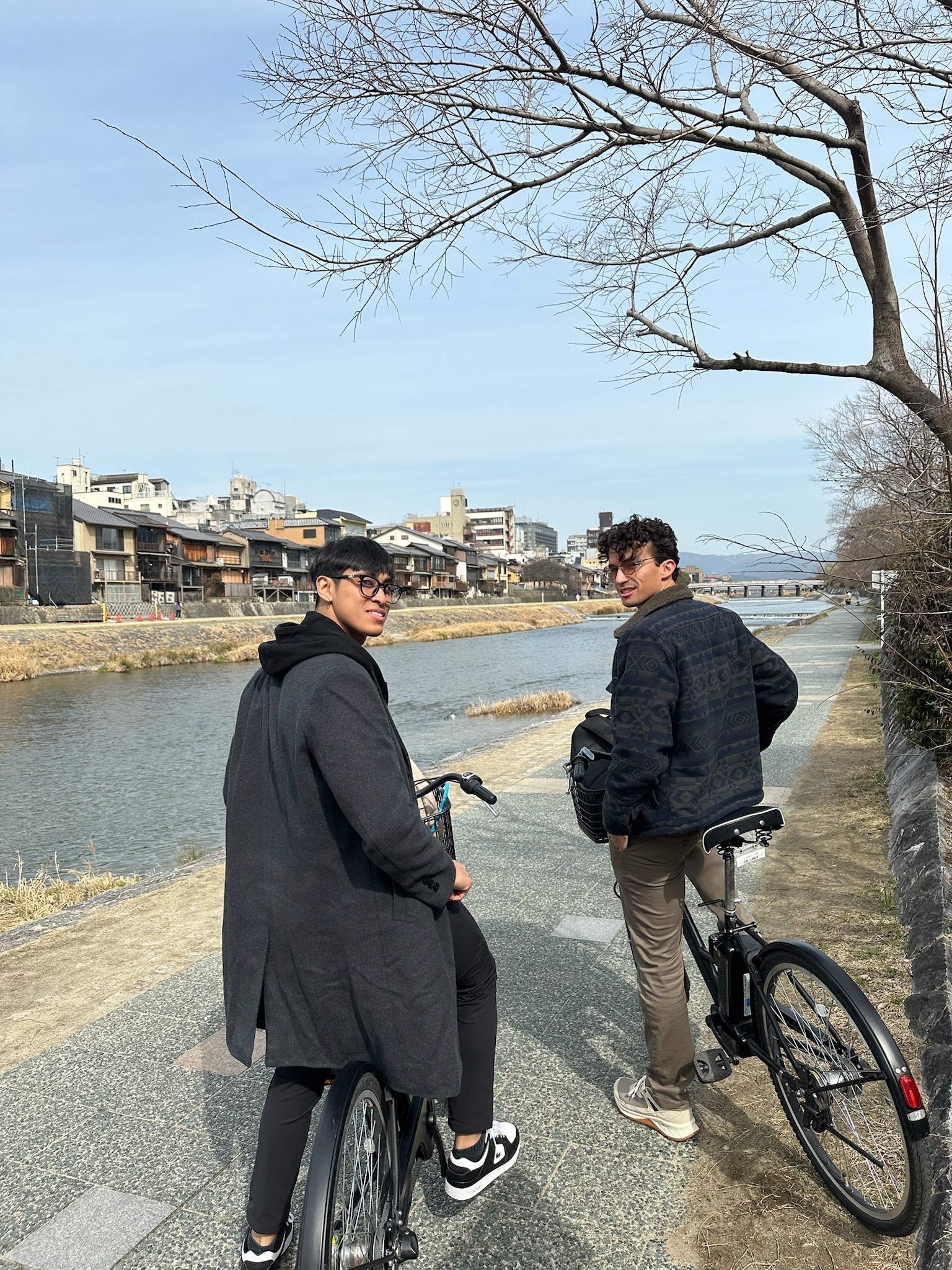
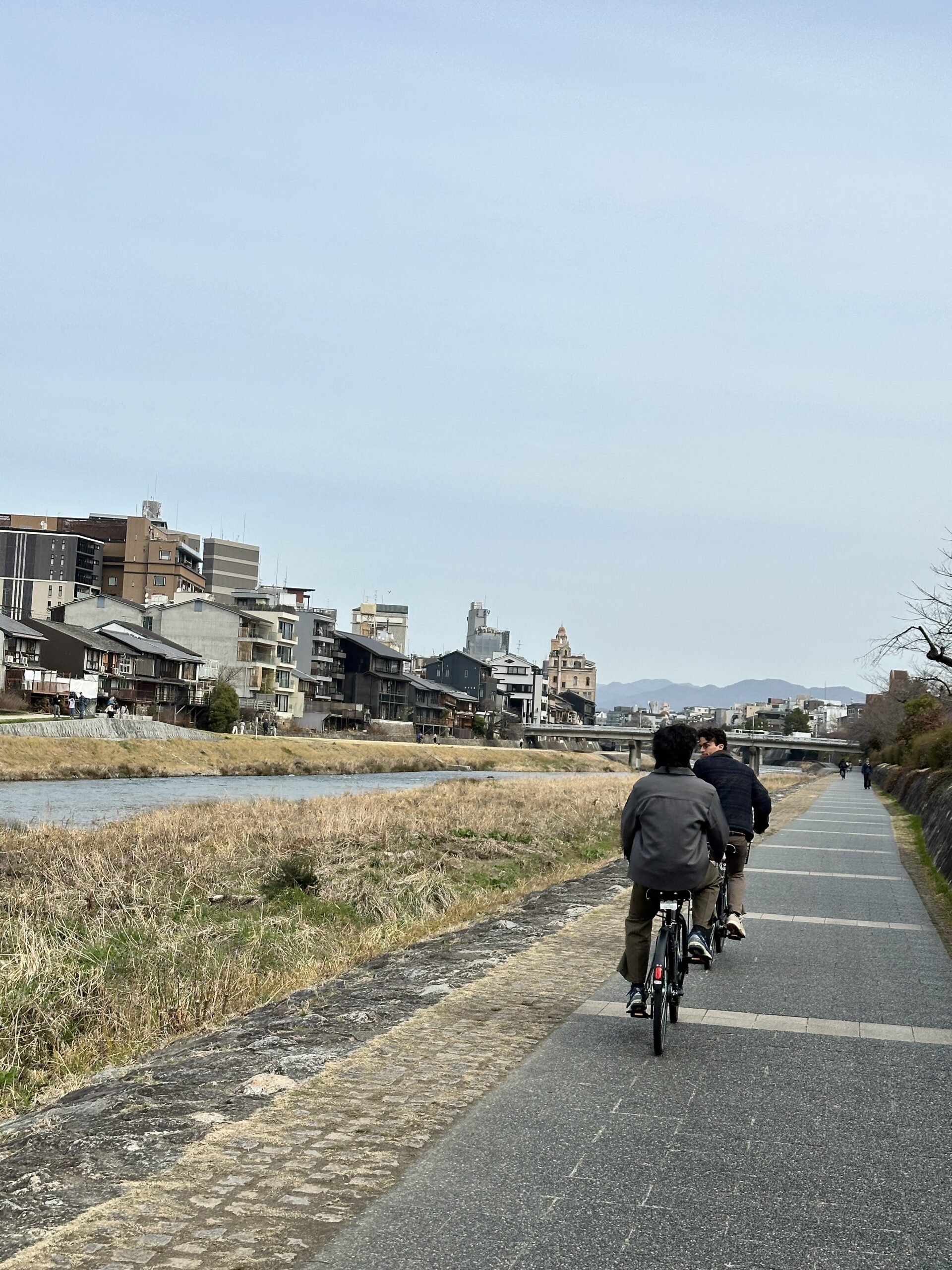
In order to travel quickly around the city, we rented electric bicycles from the KYOTO ECO TRIP flagship store. These vehicles provided the ultimate travel flexibility and is easily one of the most immersive ways to experience Kyoto.
Kyoto itself is much more laid back than the metropolis of Tokyo. Tradition and the serenity of nature fill the air and provides a sense of peace and freedom that is difficult to come by in Tokyo outside of its parks.
The Philosopher's Path
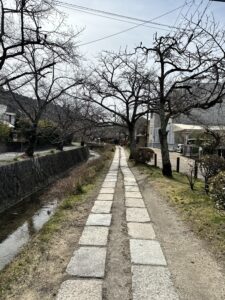
The Philosopher’s Path was our first stop on our journey. Although we were early for cherry blossom season here, the vibes of walking through the path laid out by stone between the line of bare, leafless trees, coffee in hand, and taking in the cool breeze was an incredible introduction to the chill life outside of the main city.
Ginkaku-ji, The Silver Pavilion
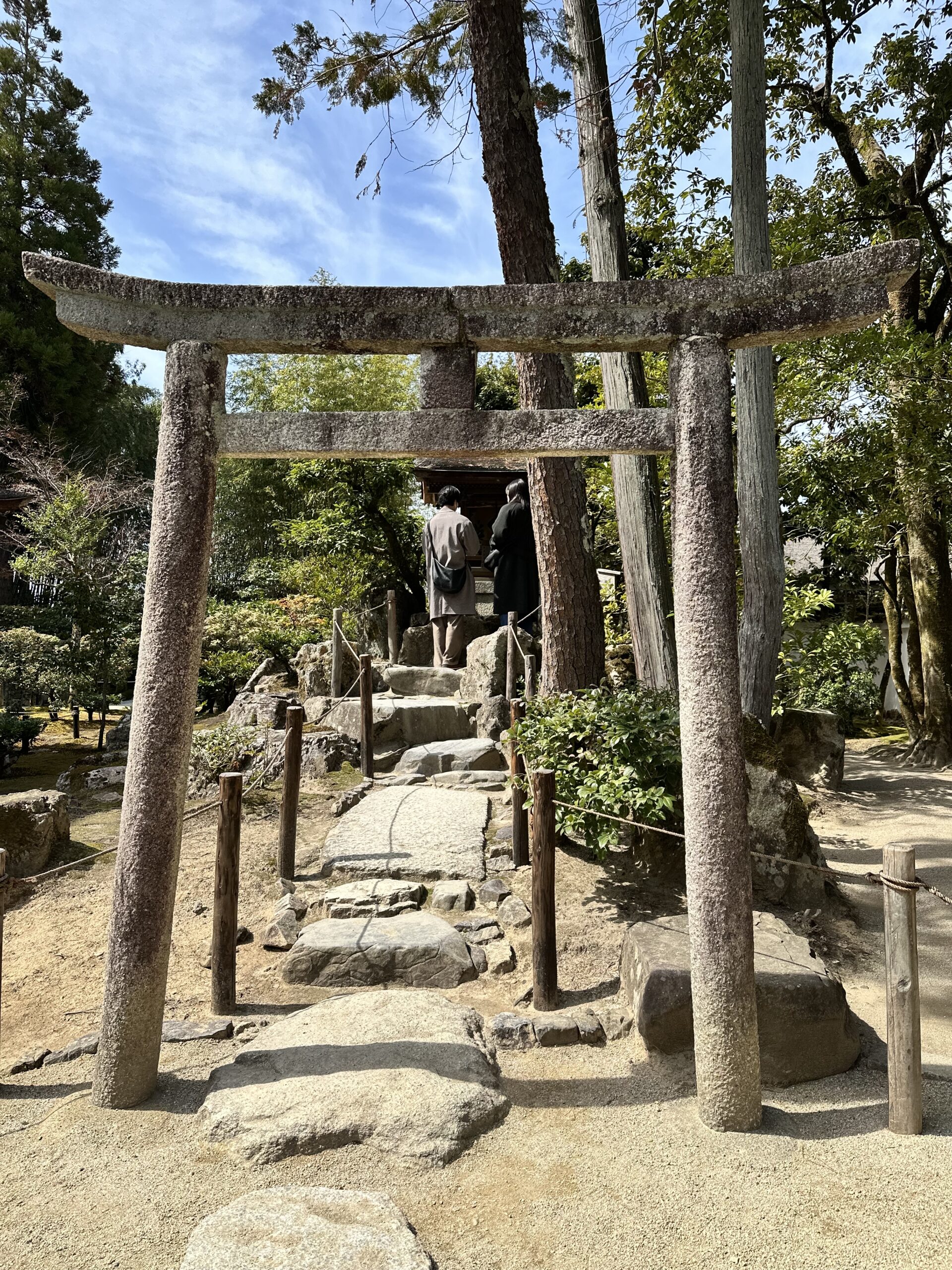
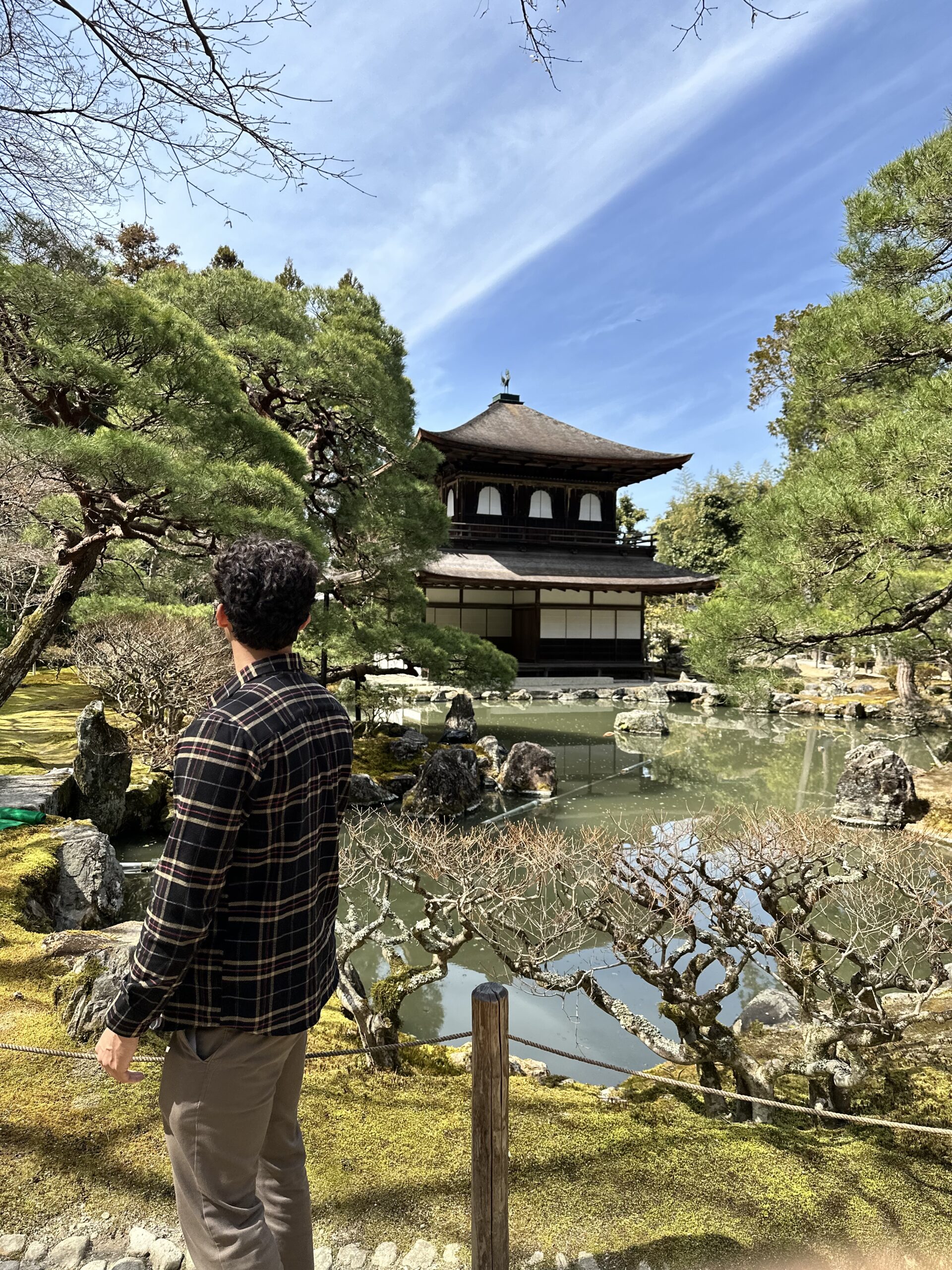
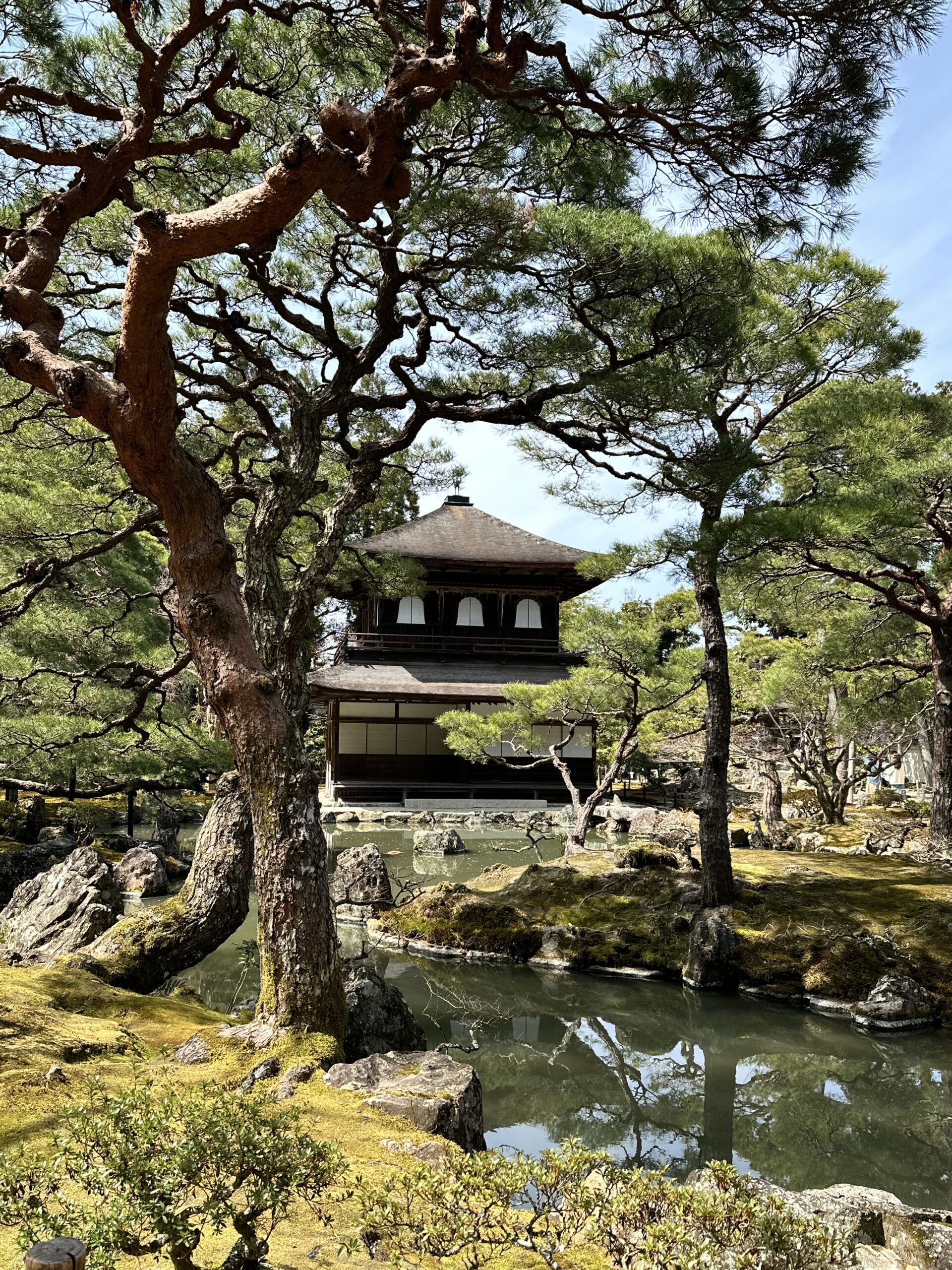
Nearby to the path lies Ginkaku-ji. Known as the Silver Pavilion, despite the temple not being silver due to some historical interruptions, Ginkaku-ji is a magical place to experience the refinement of Japanese gardens. Its beauty lies more in its subtlety rather than anything flamboyant, which adds to that refined nature.
We stopped several times to try different matcha ice creams and drinks as well, to avoid making the pace of our trip feel rushed in any way.
Nishiki Market, "Kyoto's Kitchen"
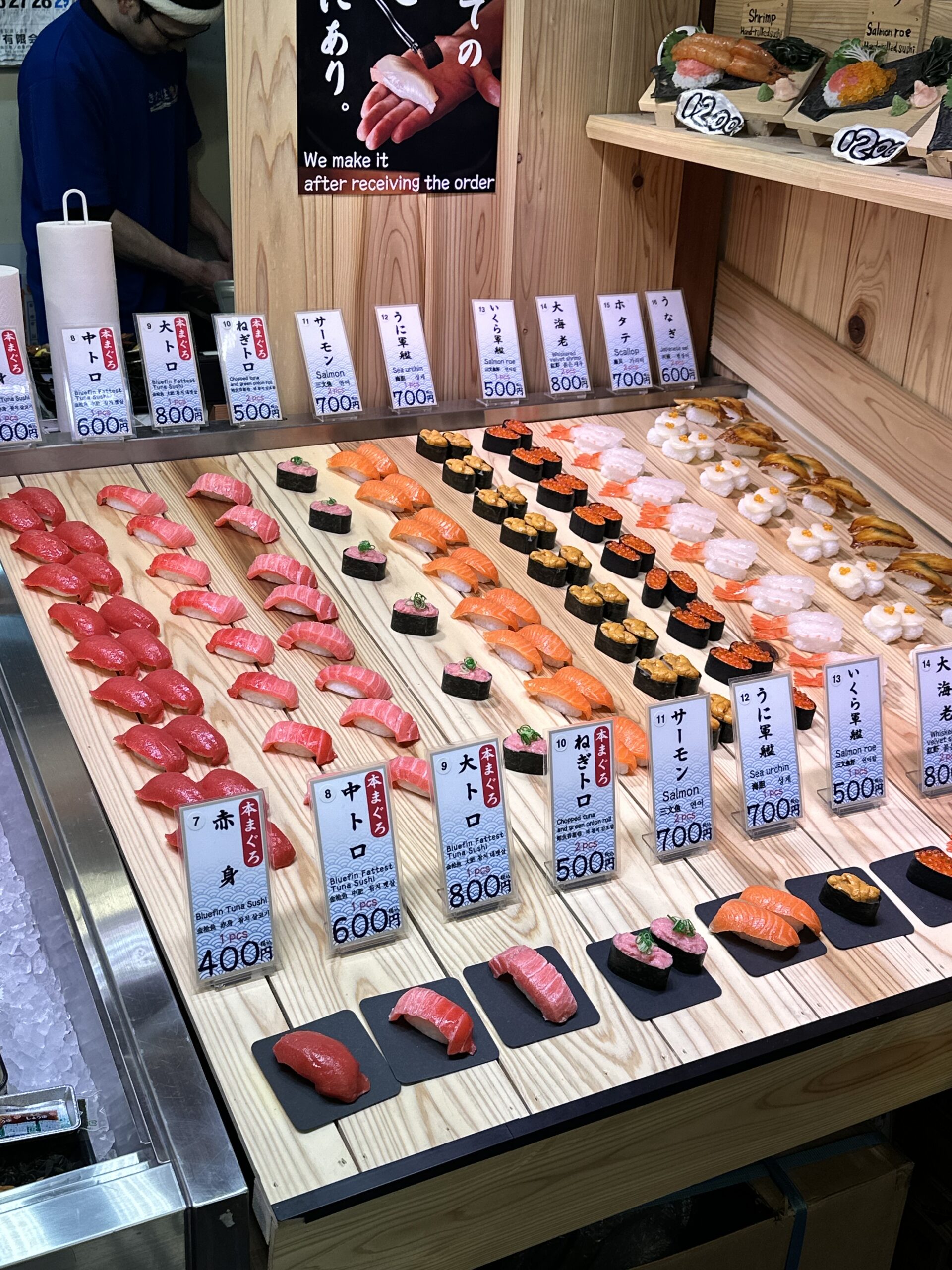
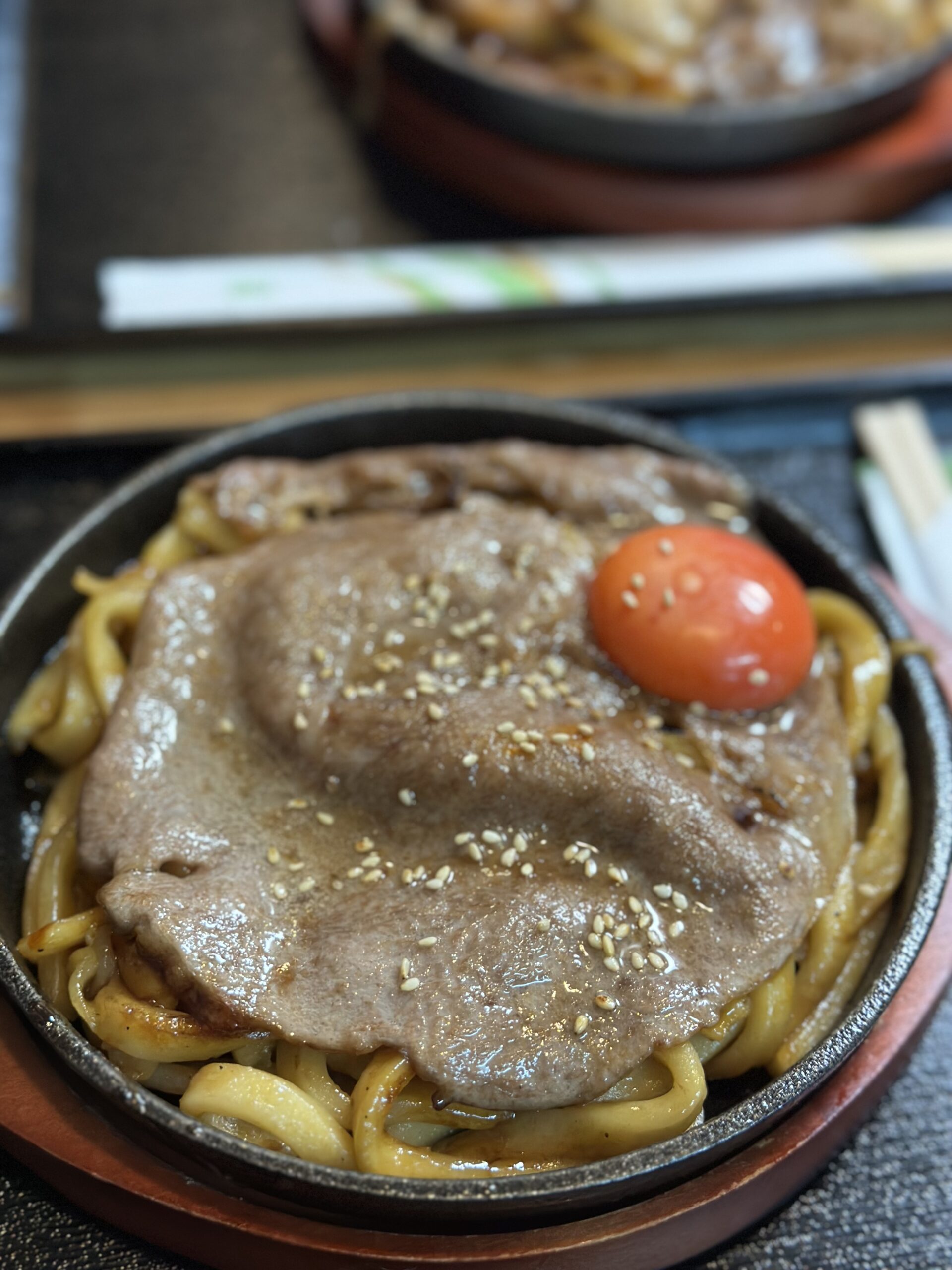
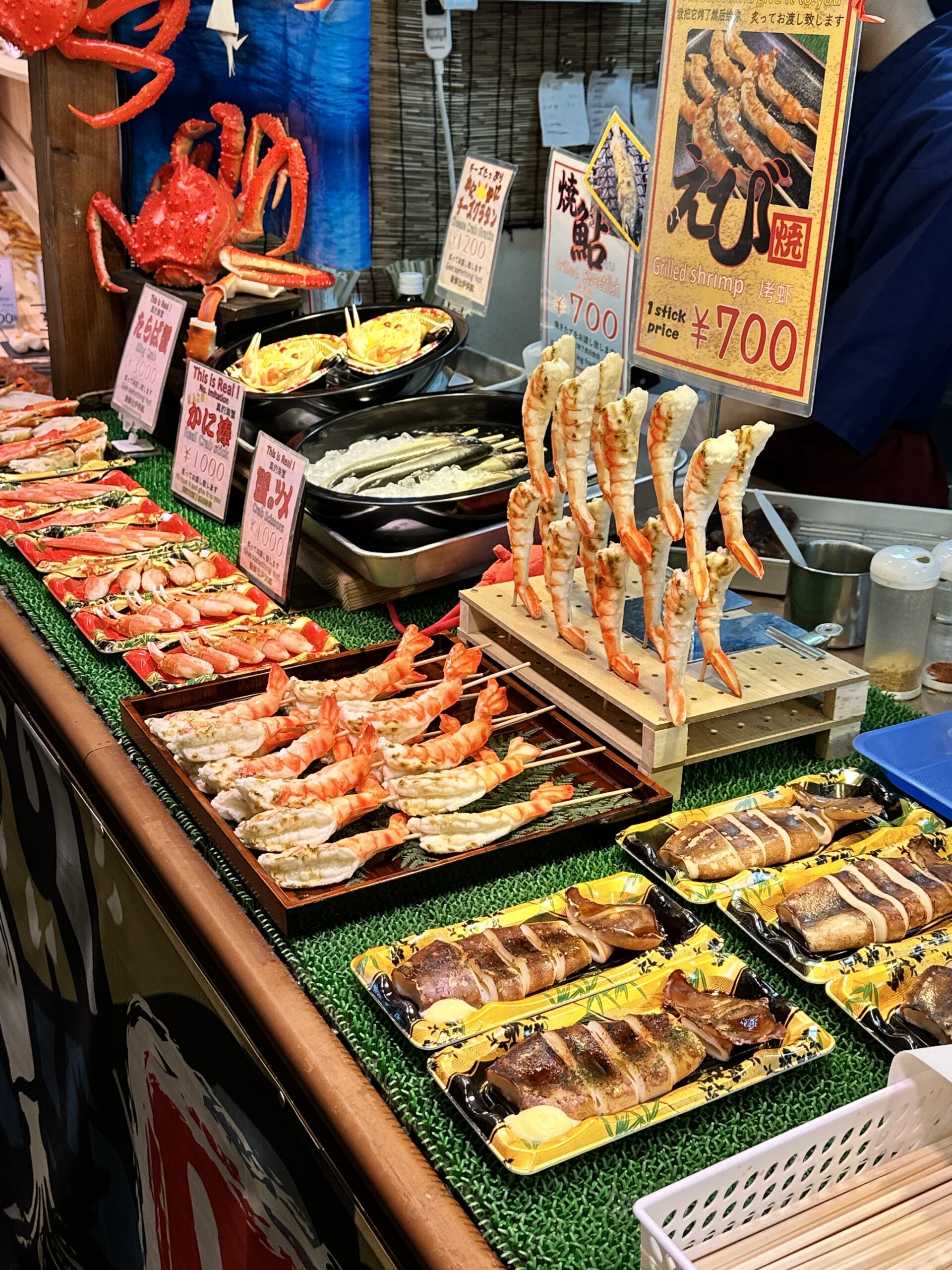
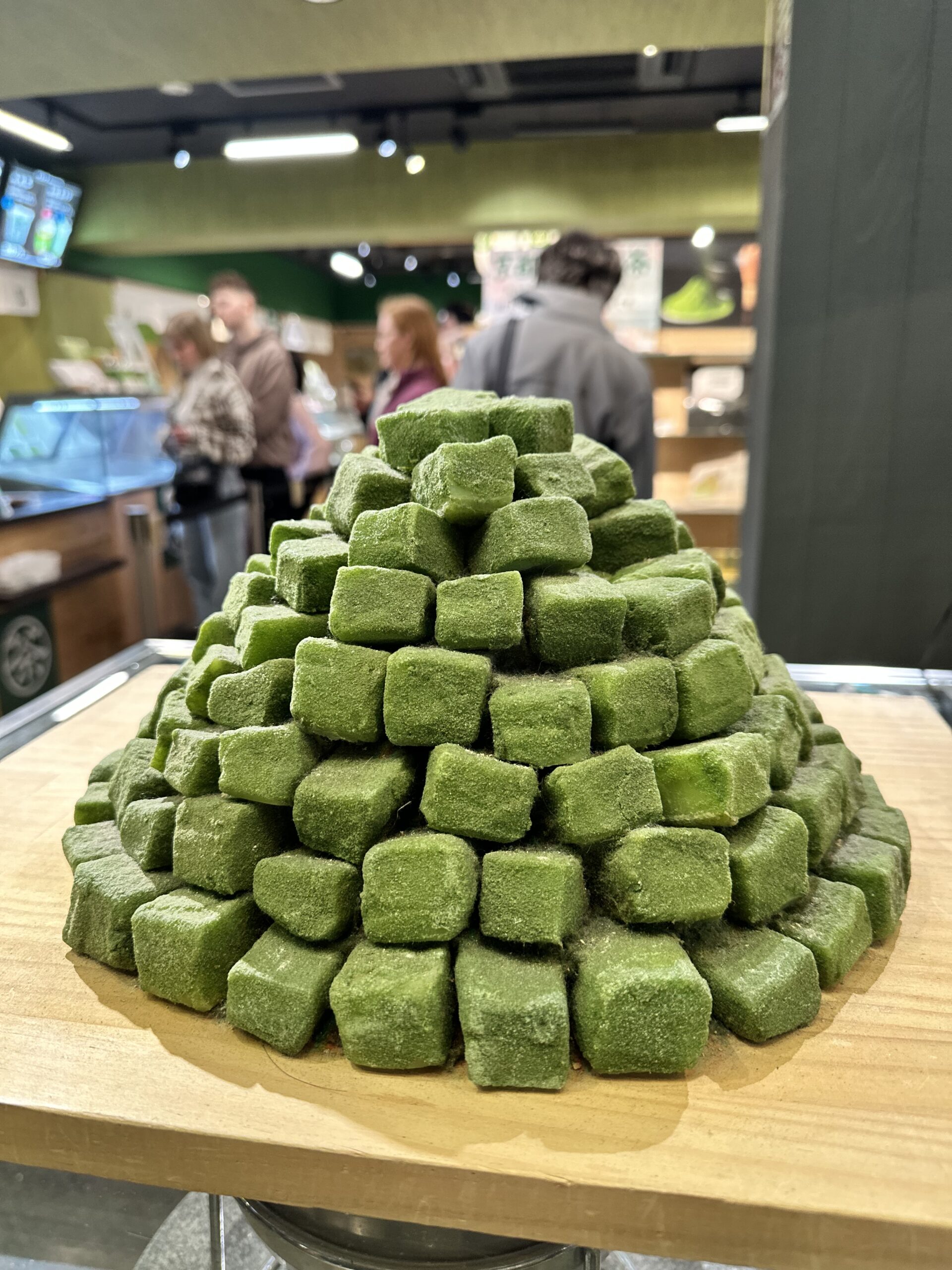
We zoomed back to central Kyoto for lunch at Nishiki Market, where we tried a variety of fresh seafood, matcha, and other street food like a wagyu udon that literally melts like butter in your mouth. There are so many options to explore, so take your time to try each and every stall that suits your palette!
The market is also more than just food—it’s an whole experience. Stroll under the colorful stained-glass roof, let the shouts of vendors, locals and tourists take over, and enjoy every scent and taste that each food stall has to offer.
Traditional Japanese Tea Ceremony
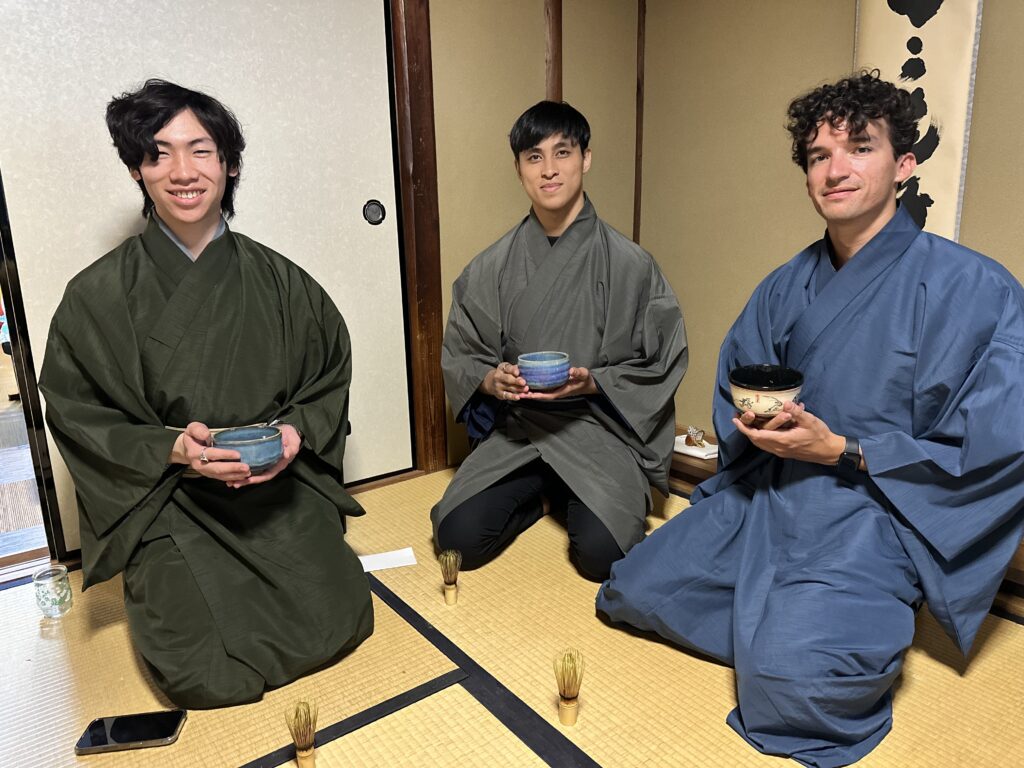
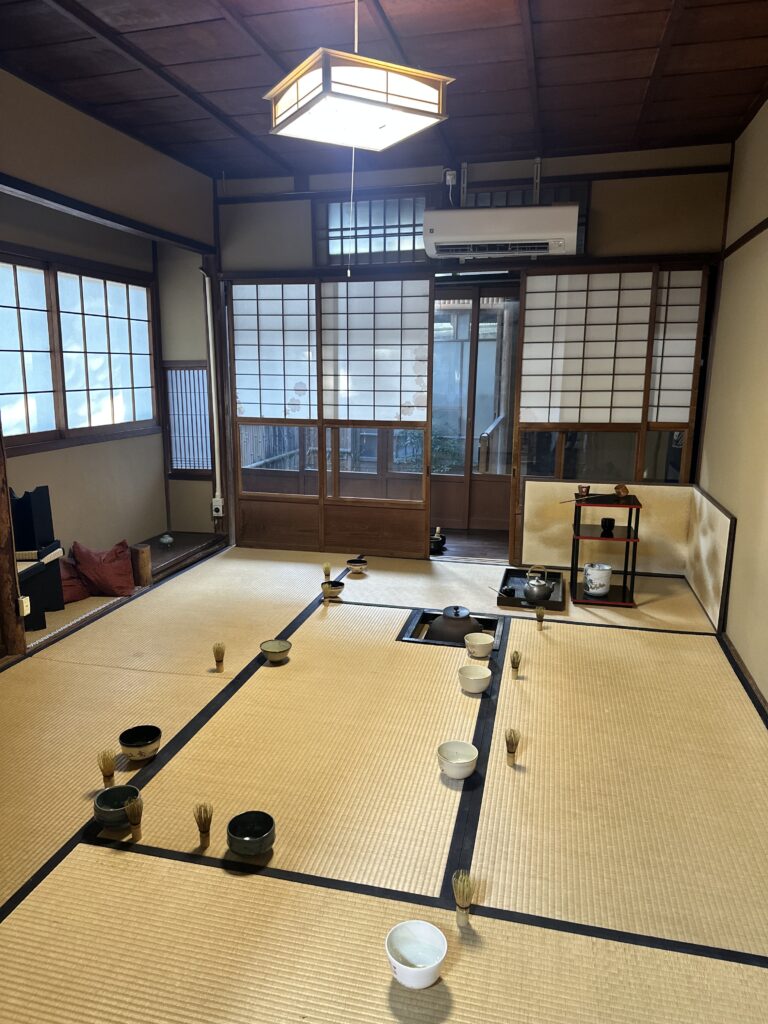
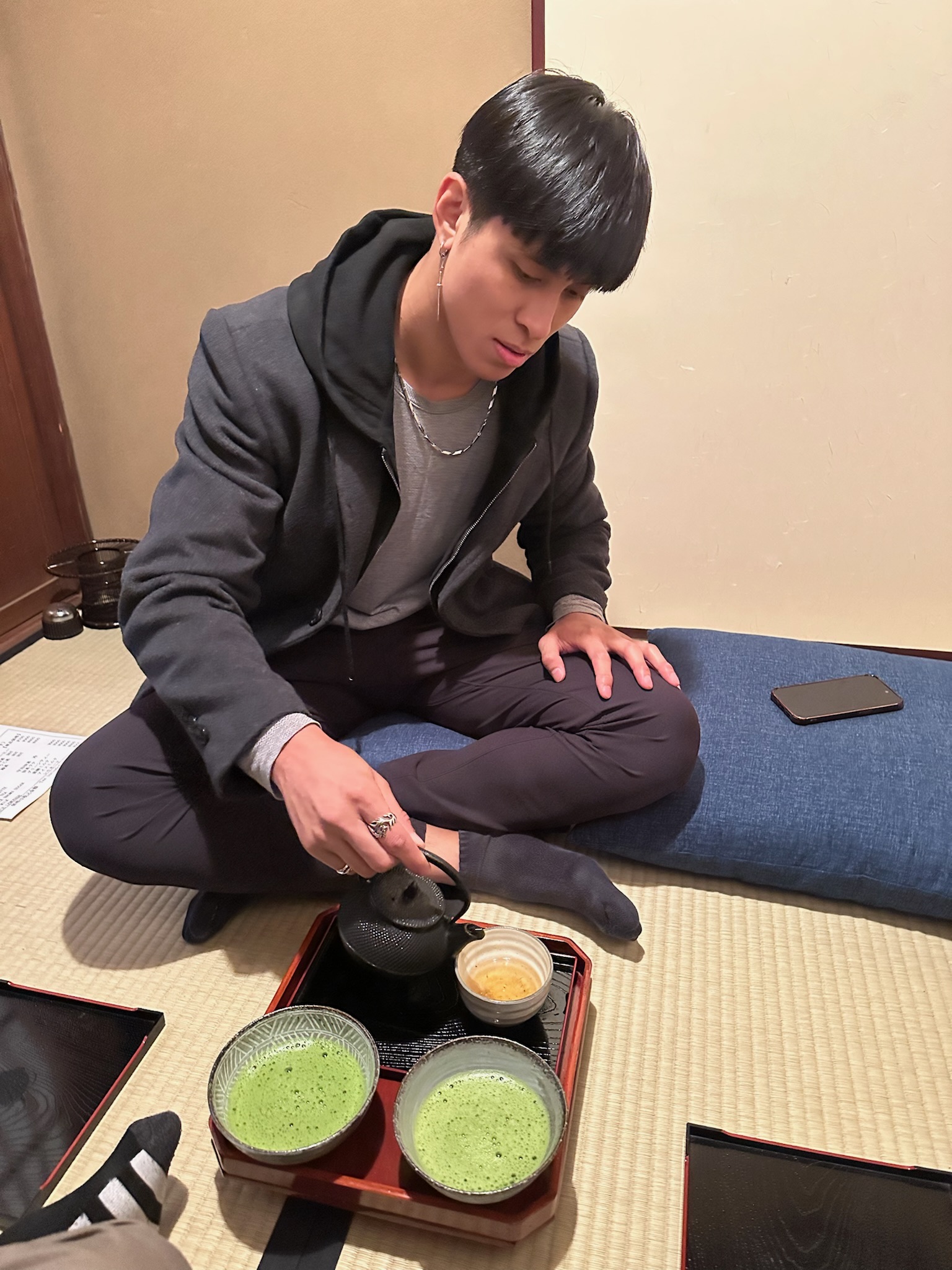
Another item on our Japan bucket list was to experience a traditional tea ceremony, which originated from Chinese roots back in the 9th-16th centuries. It was quite a rush to get from Nishiki Market to Tea Ceremony KOTO, but we had made it just in time, right to the minute when it was about to start (Turns out we were actually late by 20 minutes because kimono reservations need to get there early… whoops!). We learned about the historical significance of tea in Japanese culture and how to properly prepare the matcha tea ourselves.
Kinkaku-ji, The Golden Pavilion
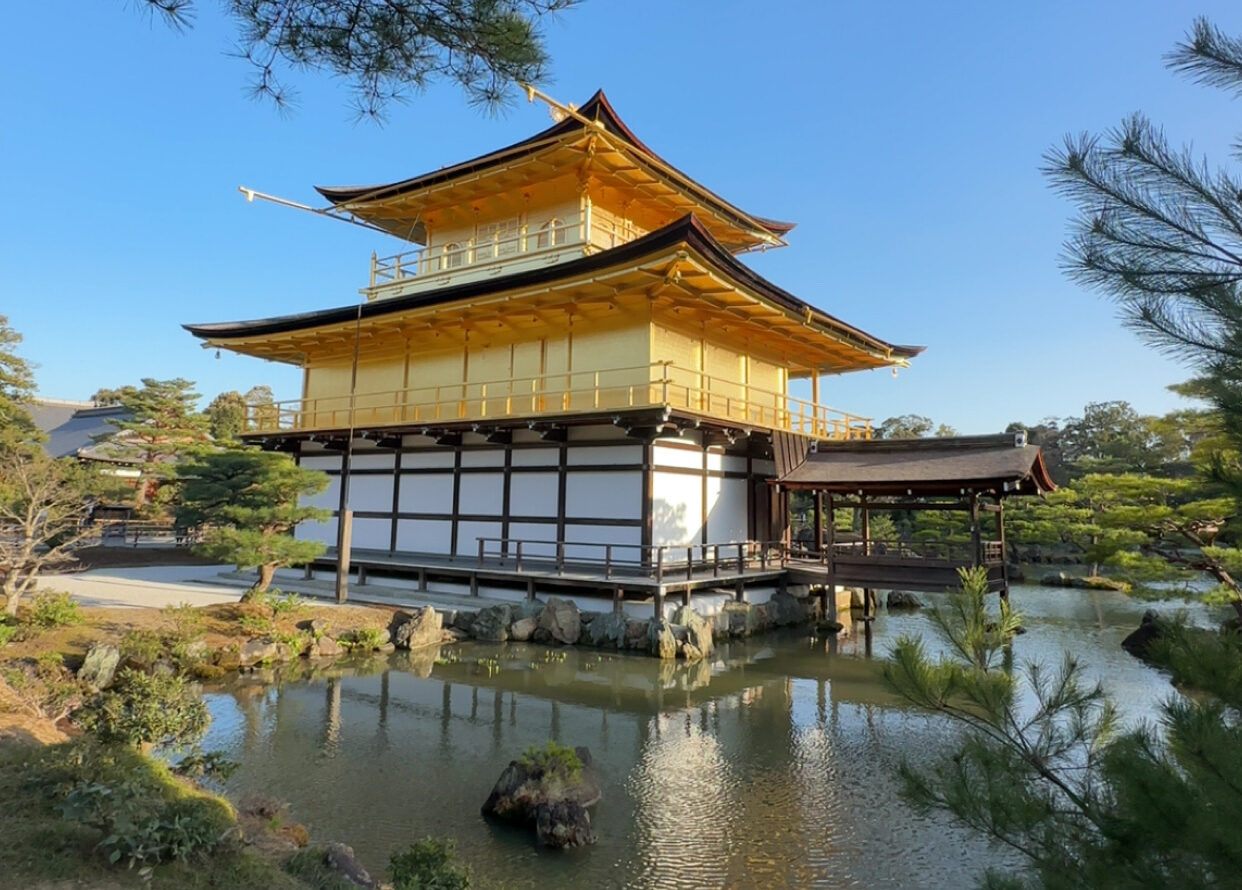
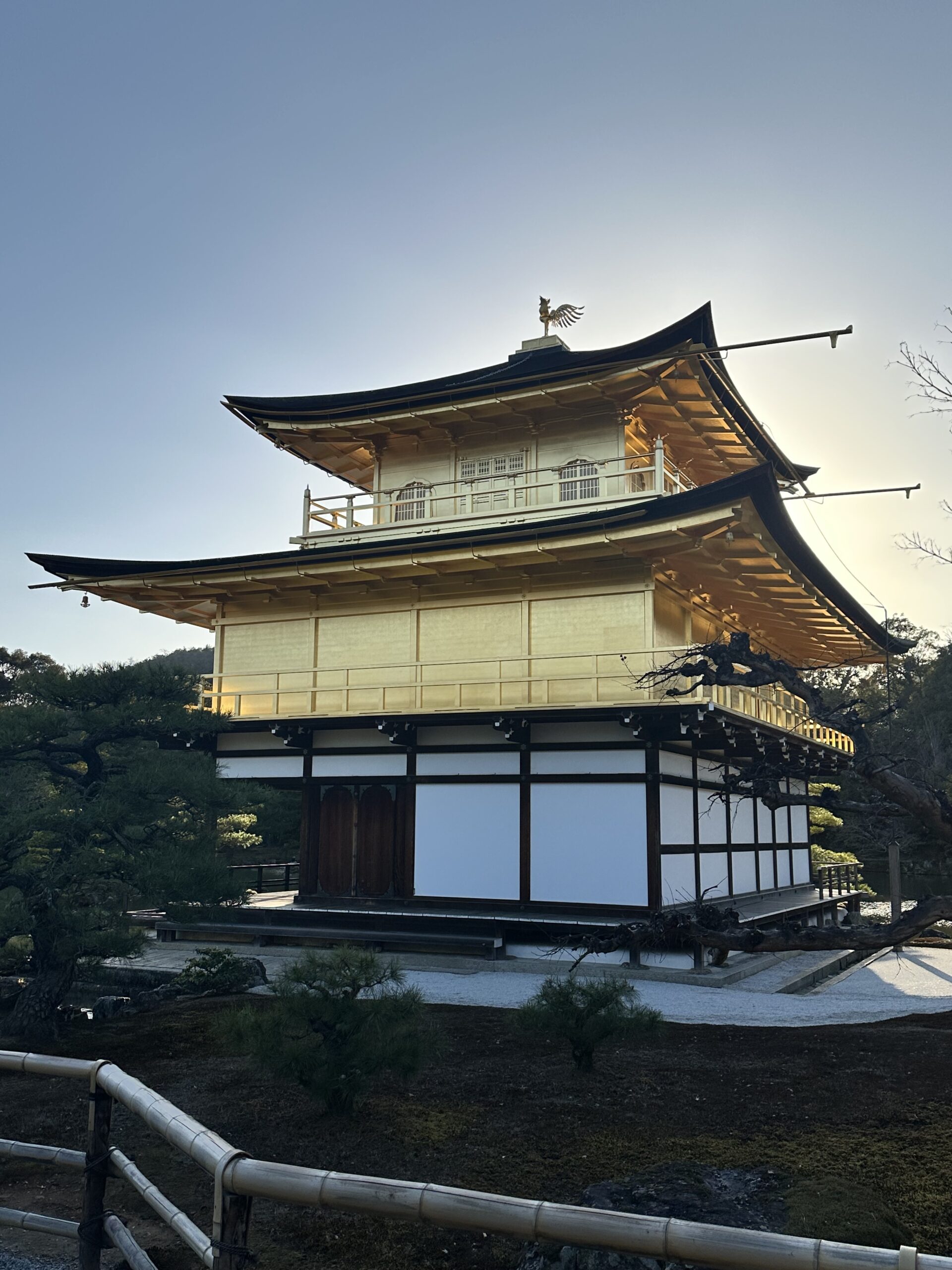
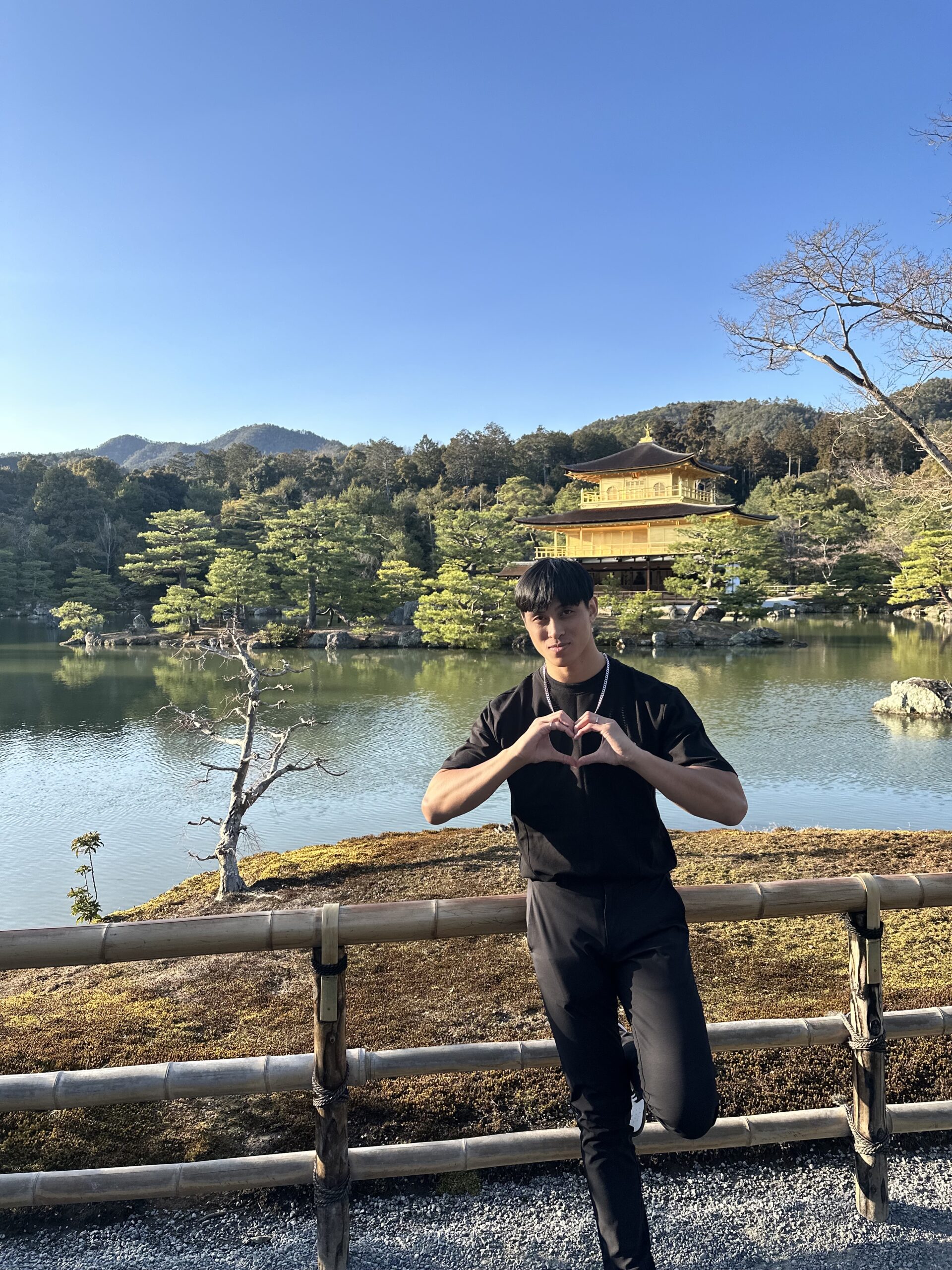
Next door to the tea house is Kinkaku-ji, the more lavish older brother of Ginkaku-ji. The temple is nestled in the middle of a lake and surrounded by beautiful green foliage that accents both the color of the sky, tranquil pond, and golden foil of the temple. Originally built in 1397 as a retirement villa for shogun Ashikaga Yoshimitsu, it was later converted into a Zen temple. Despite its opulence, Kinkaku-ji embodies the delicate balance of Japanese aesthetics: bold yet restrained, lavish yet serene.
Izakaya Evenings
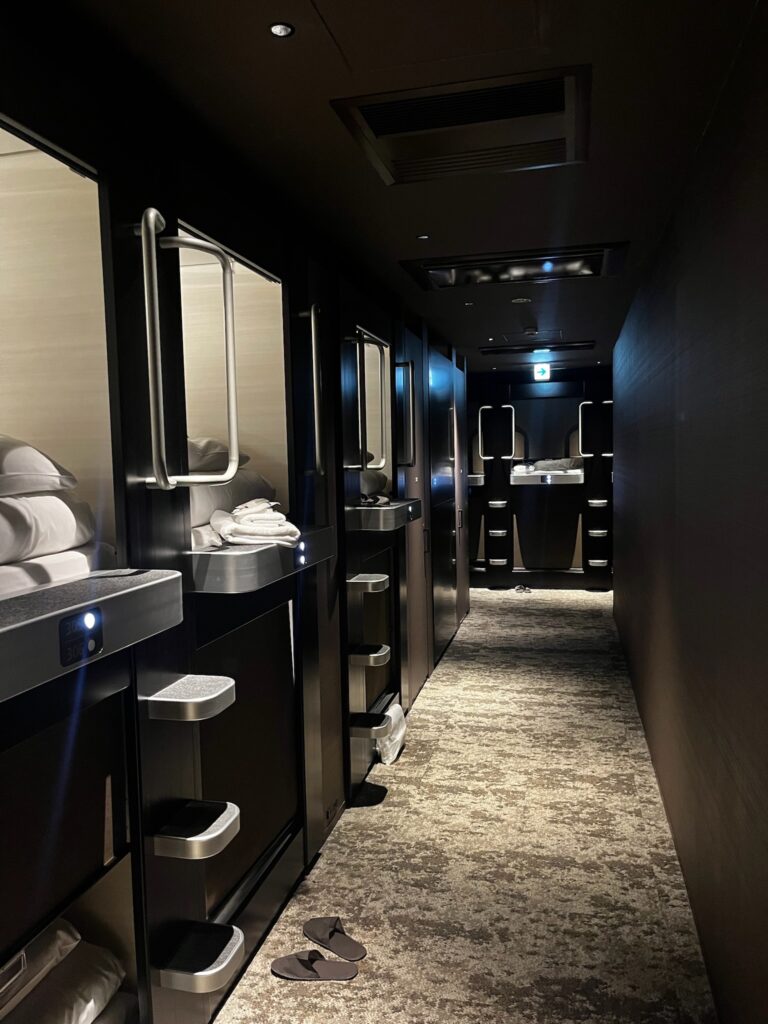
At this point around 5pm, every tourist destination was in the midst of closing. We all made the collective and spontaneous decision to stay the night to enjoy more of Kyoto the following day. We went ahead and booked a capsule hotel to stay overnight while we enjoyed the rest of the night roaming around the city center.
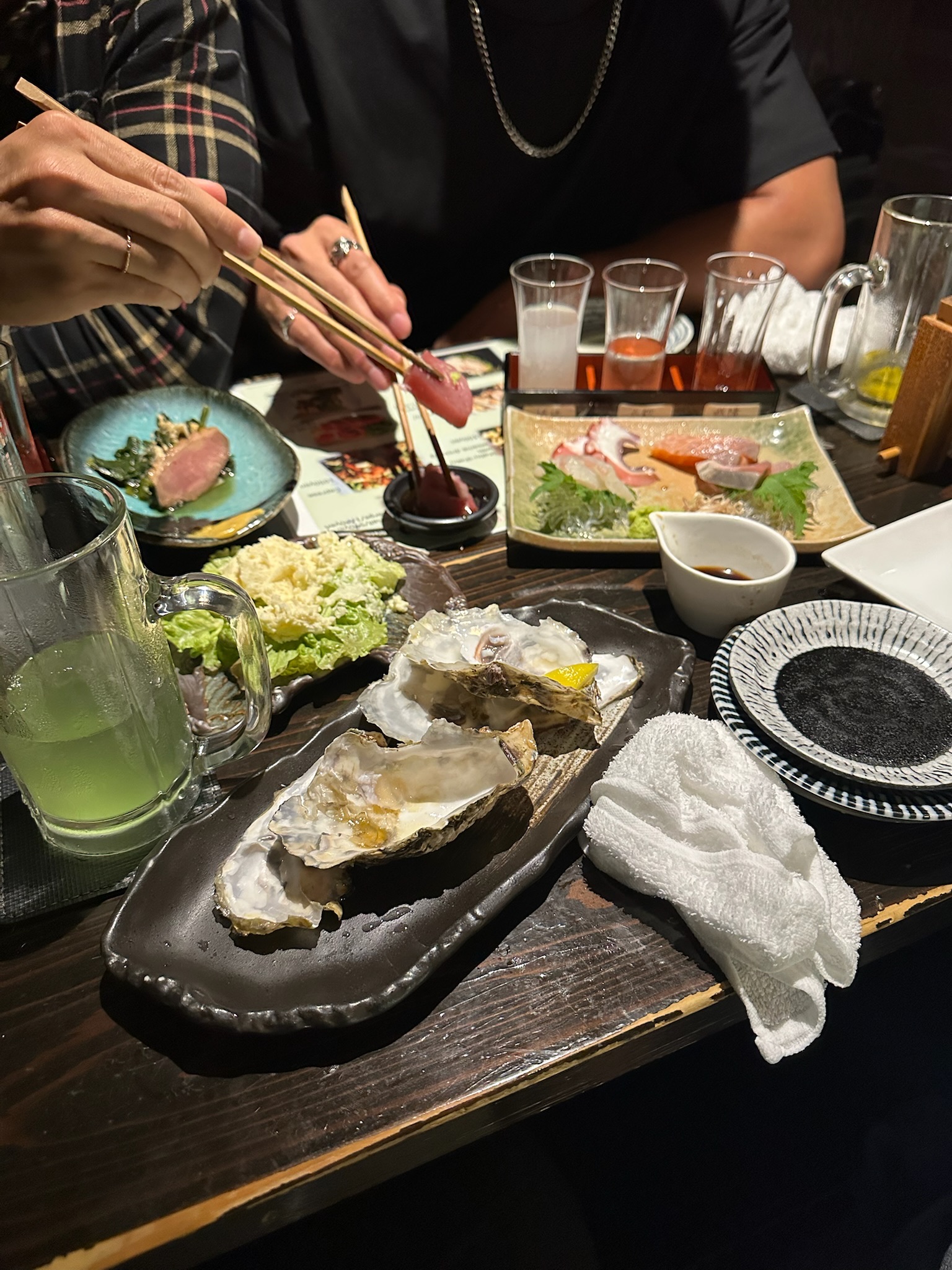
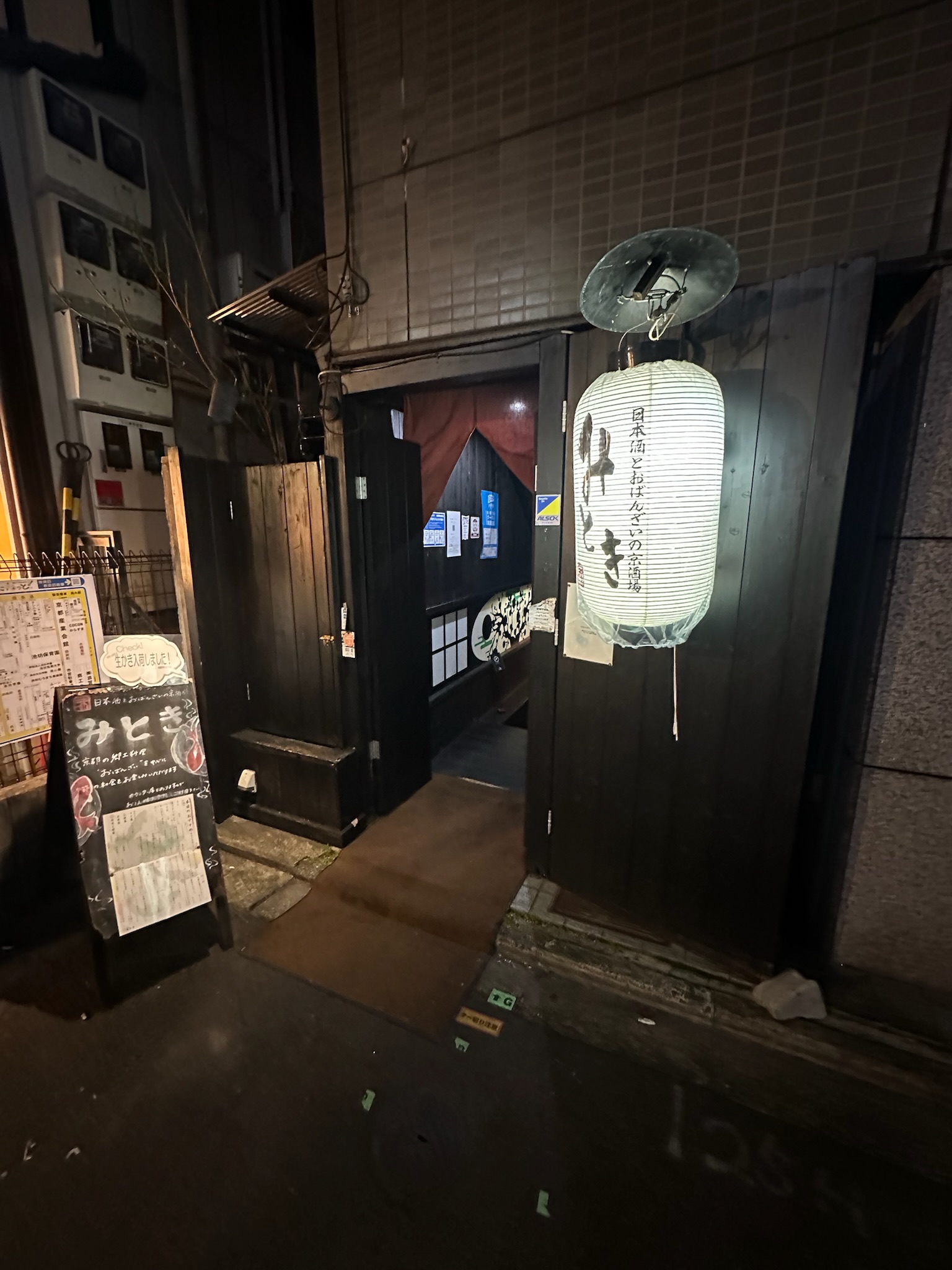
For dinner, we stumbled into a basement-level izakaya that blew our minds. Firstly, the food is considered very inexpensive compared to restaurants prices in the States, so my friend and I continuously ordered more dishes without any second thoughts. The drinks were also delicious, and most surprising was the matcha beer that was actually packed with quite a bit of flavor. Probably one of the most enjoyable nights out with friends I’ve had in a while, and ending it in the comfort of the capsule bed was a chef’s kiss.
First capsule hotel experience.
Breakfast At Kacto
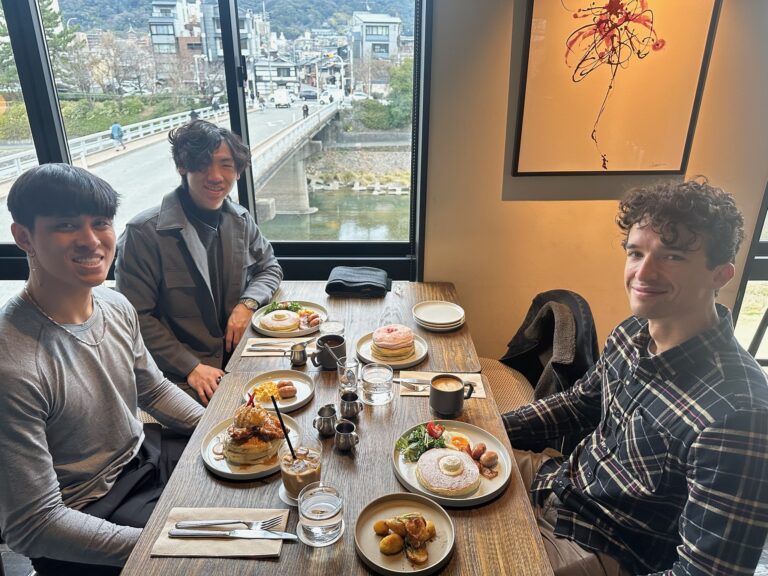
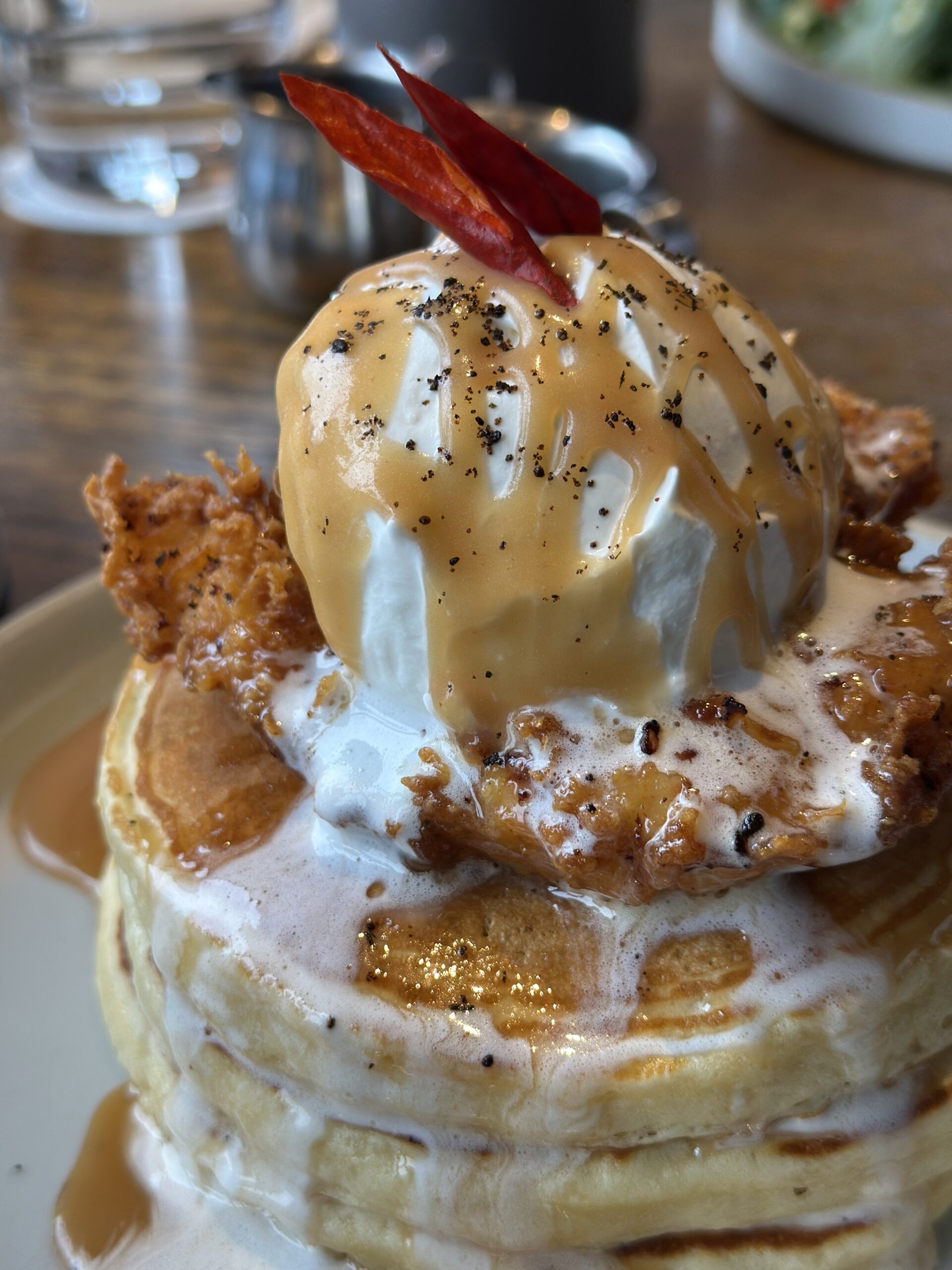
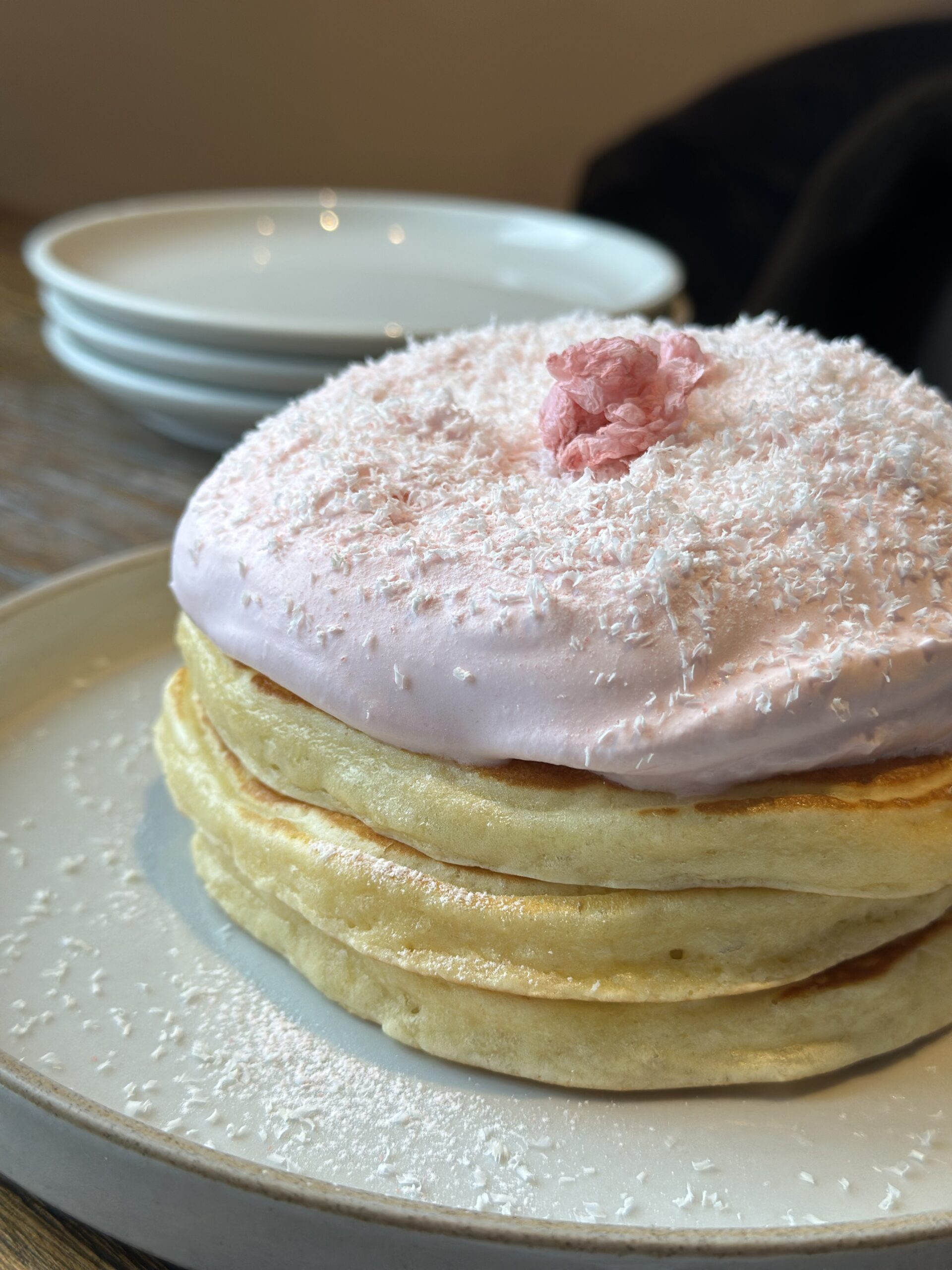
We woke up at around 7 am to clean up and head out for breakfast, which was a cafe overlooking the Kamogawa River called Kacto, serving incredibly fluffy delicious pancakes. While my friends had the pancake breakfast set with sausage, egg, and bacon, I opted for a fried chicken specialty pancake dish that really hit the spot. We also had sakura cloud pancakes for a bit of morning dessert to go along with our daily dose of coffee. There is outdoor seating available, but we were definitely feeling enough of the chilly that morning while biking here.
Fried Chicken Pancake
Sakura Cloud Pancake
Kyoto Imperial Palace
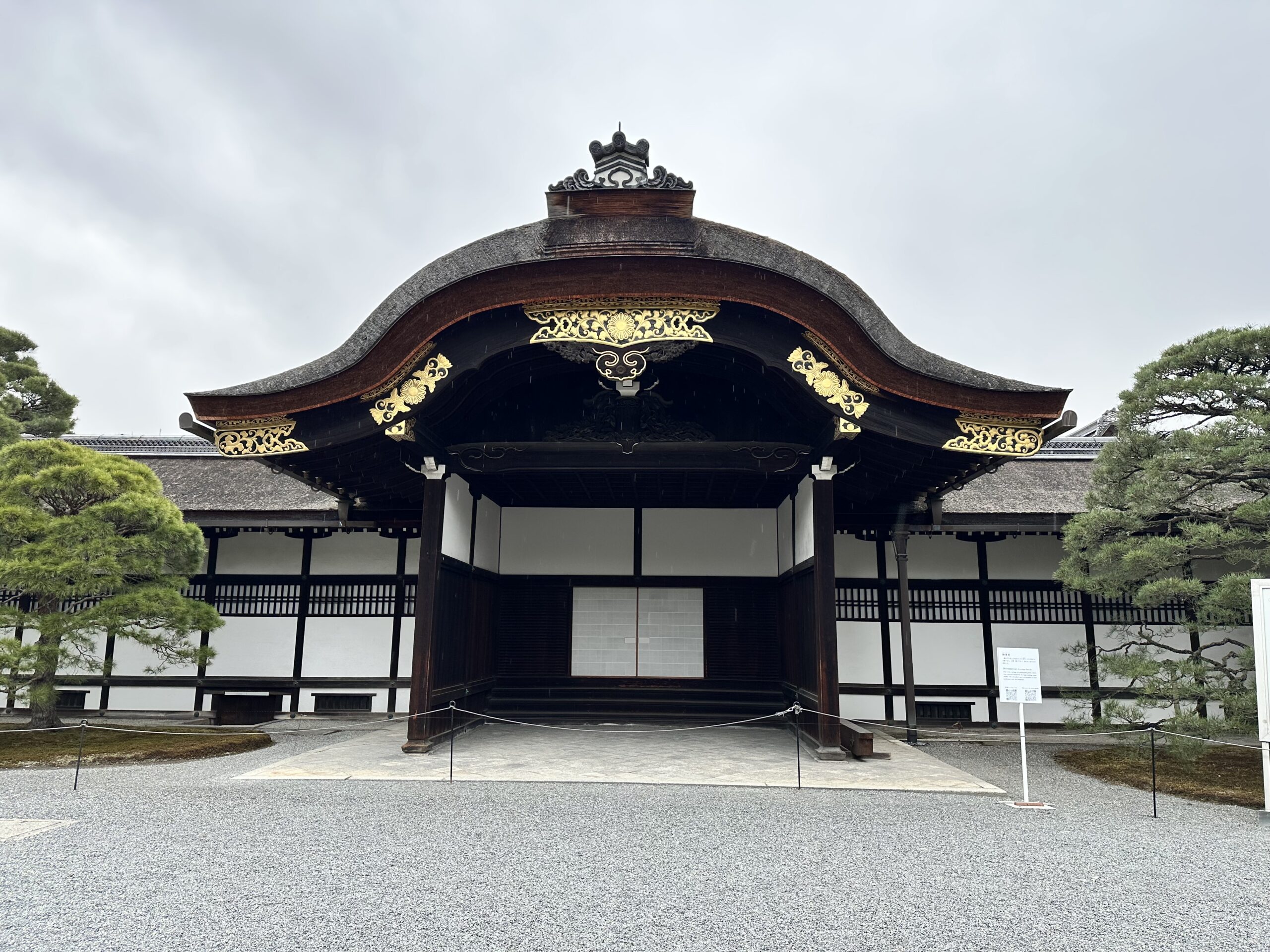
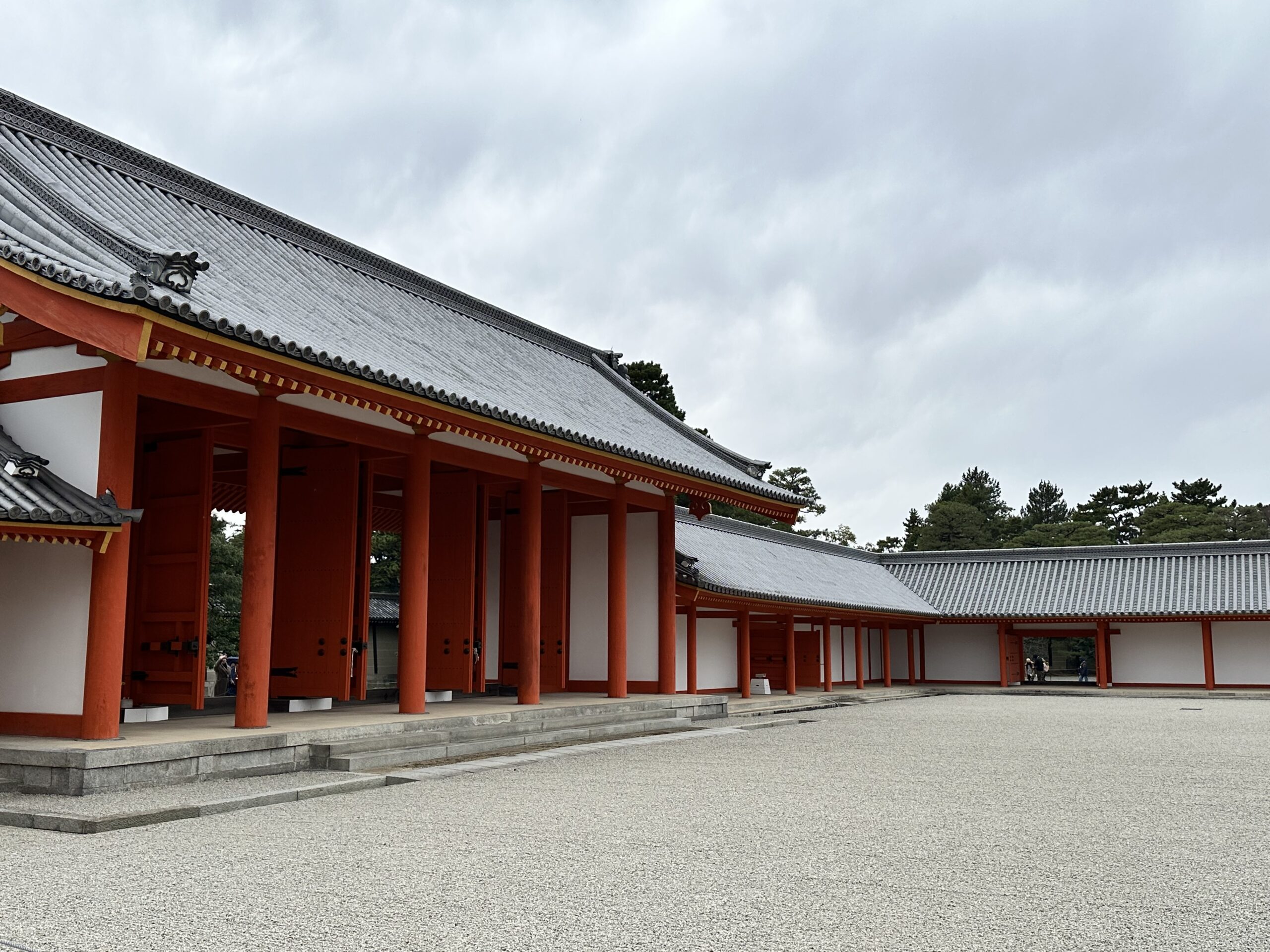
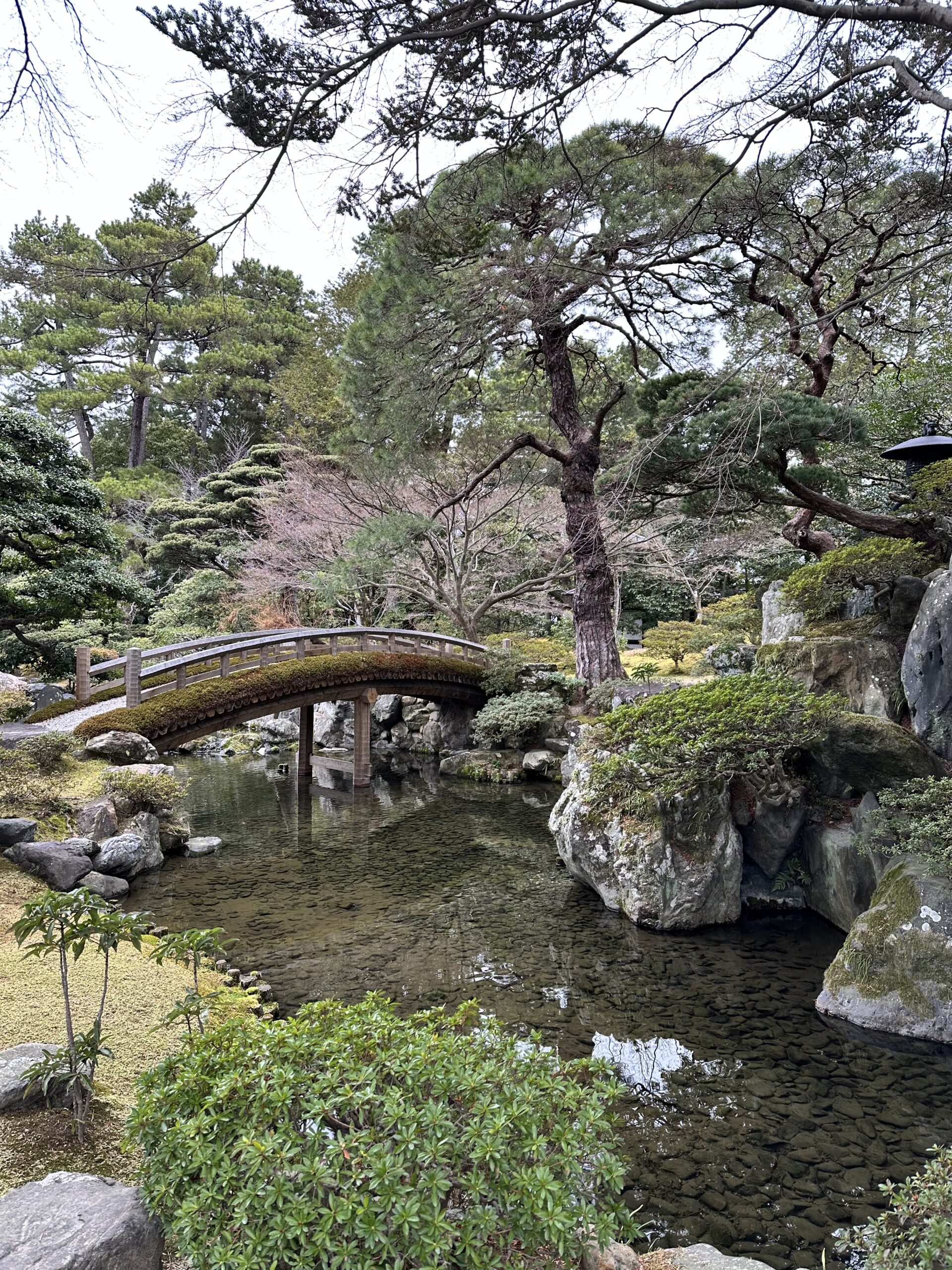
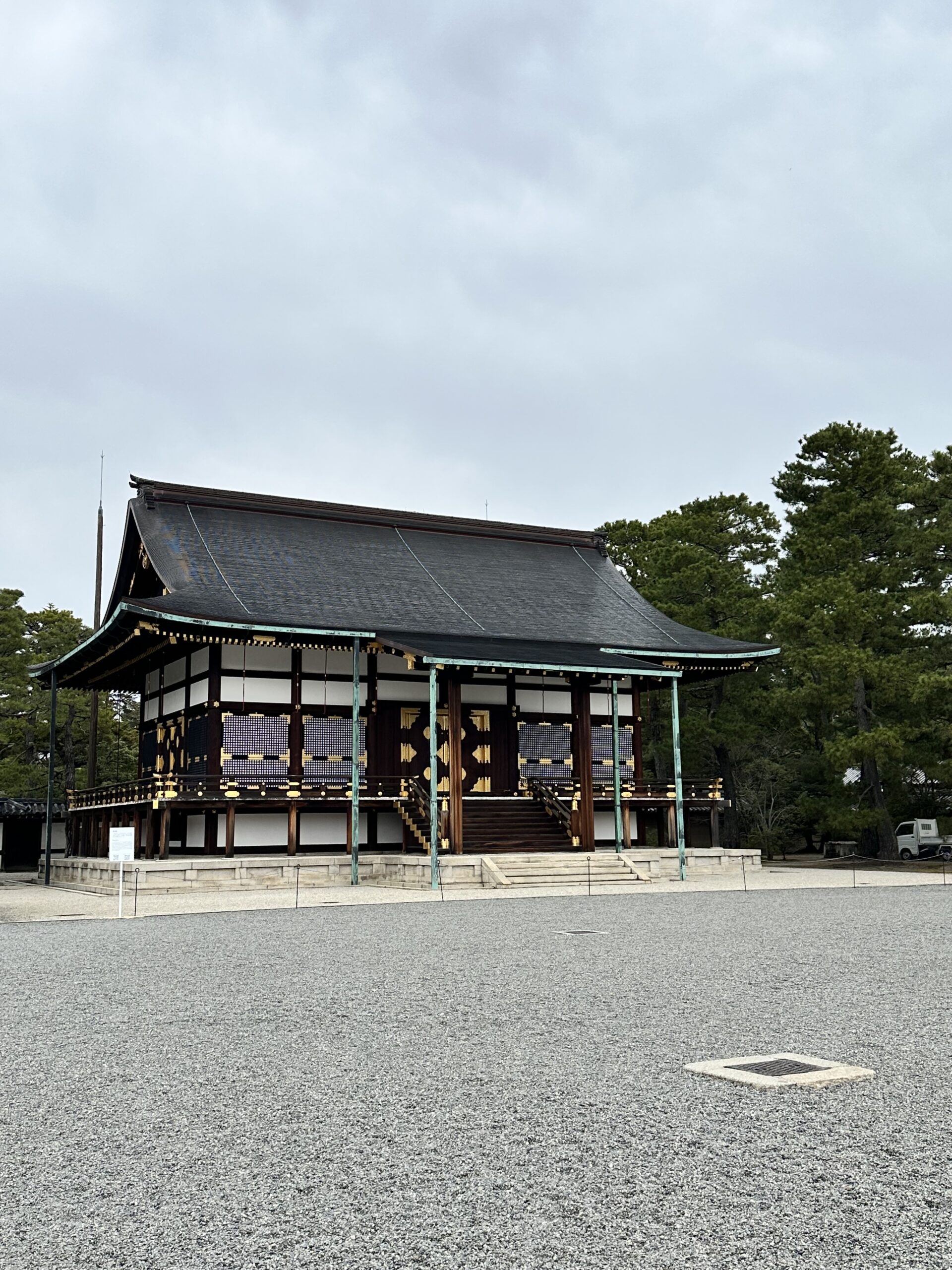
The morning was spent at Kyoto Imperial Palace, which is a captivating culmination of historical architecture and zen garden design. Walking around here will take at least an hour of your time, even more if you stop to read the historical significance of each site, so prepare yourself.
Gion District
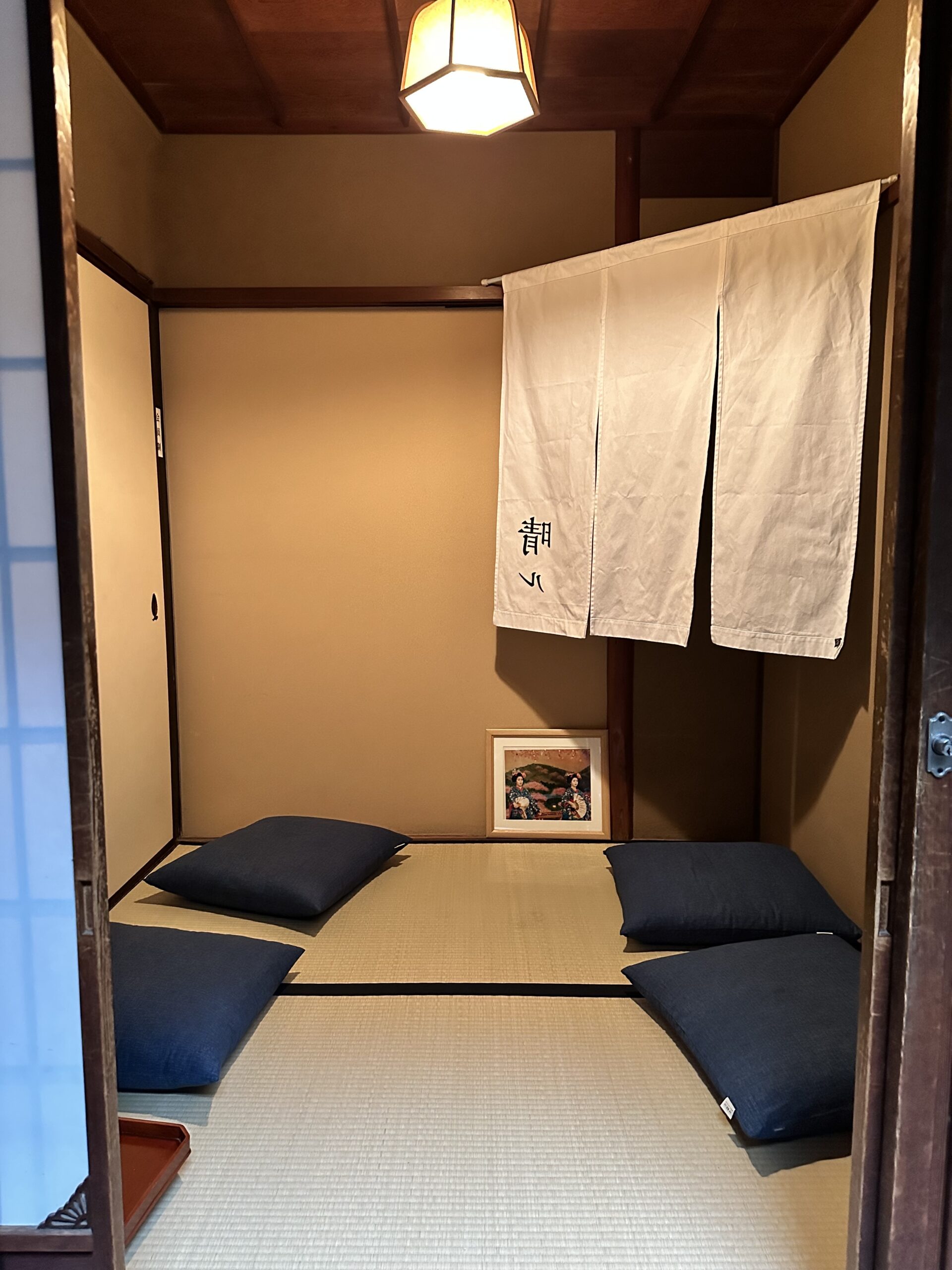
Because of our big breakfast, we decided to just stop for some tea in Gion before catching the train back to Tokyo. Gion is the geisha district that is known for its traditional teahouses and wooden architecture, so it was not too difficult to find a teahouse to relax in. In fact, we were even offered a private tea room to enjoy our fresh matcha and hojicha!
There are enough landmarks in Kyoto to last even a week-long trip, but not everybody may have that amount of time available. This itinerary is just an example of the amount of stuff you can fit into just over a day and a half, but if no matter what you choose to see, be prepared to rent out that bike and explore as much as Kyoto has to offer!
Additional Destinations to Consider
On its way!
Subscribe to Our Newsletter!
Get updates on new blog posts, new itineraries, and new personal adventures from us!